
BEP Surface Technologies has warned that gaps in the enforcement of chromium VI regulations risk undermining both environmental protections and fair competition, one year after long-term authorisation was granted under UK REACH.
The Radcliffe-based surface engineering specialist, which supports sectors including manufacturing, defence, aerospace and packaging, said the effectiveness of the UK’s 12-year authorisation framework depends on consistent application across the entire market. The company’s concerns are shared by the wider industry through the Surface Engineering Association (SEA), which represents a consortium of 23 companies.
While the approval, administered by the Health and Safety Executive, provided long-awaited certainty following years of disruption linked to the EU’s 2017 sunset deadline and post-Brexit regulatory transition, BEP said there are indications that not all operators may be working within the authorised framework.
Hexavalent chromium, also known as chromium VI, is widely used in surface finishing to provide corrosion resistance and durability, but is subject to strict regulation due to its environmental and health risks.
The framework needs to be applied consistently
Andrew McClusky, Managing Director of BEP Surface Technologies, said: “The authorisation process has removed a significant level of uncertainty and allowed businesses to focus on investment and long-term capability.

“However, that framework only works if it is applied consistently. Where operators fall outside it, this raises important questions about environmental risk, regulatory consistency, and fair competition.
“For those that have committed significant time and resources to achieving compliance, maintaining a level playing field is critical to the long-term stability of the sector.”
The authorisation process requires detailed technical submissions covering worker safety, emissions control and commitments to continuous improvement, with authorised operators subject to ongoing inspection and performance monitoring.
The SEA said that maintaining that level of scrutiny across the market is essential to ensuring the credibility of the regulatory framework.
Comment from the SEA
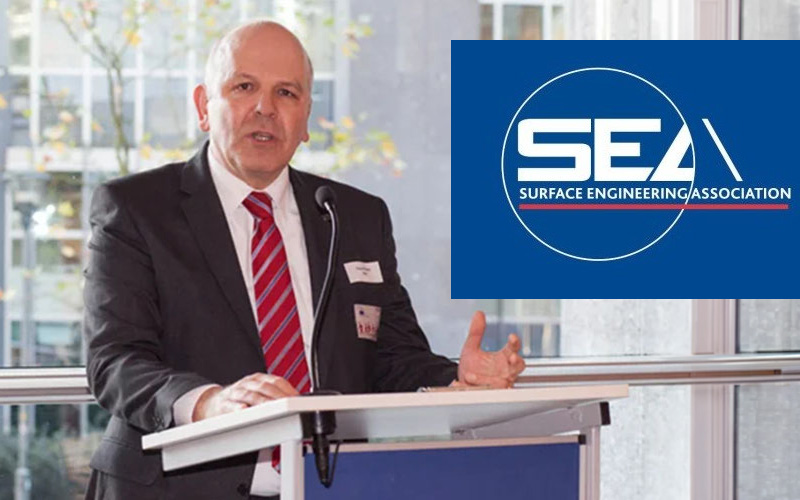
Dave Elliott, Chief Executive of the SEA, said: “For companies that have gone through the authorisation process, the requirements are rigorous and ongoing, covering operational controls, environmental safeguards and continuous monitoring.
“However, where operators are not working within the authorised framework, it creates a clear imbalance. Consistent enforcement is essential to maintaining both environmental protection and confidence across the sector.”
Consistent enforcement is essential to maintaining both environmental protection and confidence across the sector
A shift in supply chain behaviour
Alongside enforcement concerns, divergence between UK and EU regulatory approaches is beginning to influence market dynamics. While the UK has established a defined authorisation pathway, the EU is moving towards a broader restriction model for chromium VI under REACH, creating continued uncertainty for European manufacturers.
This shift is already being reflected in supply chain behaviour, with UK operators reporting increased enquiries from European customers seeking greater certainty around long-term chrome plating capability as regulatory timelines remain in flux.
This is already being reflected in supply chains, with UK operators reporting increased enquiries from European customers seeking long-term certainty around chrome plating capability.
As the sector moves beyond the initial milestone of authorisation, BEP said the focus must now shift to enforcement, regulatory consistency and how both frameworks will shape the future of chrome-based surface engineering.